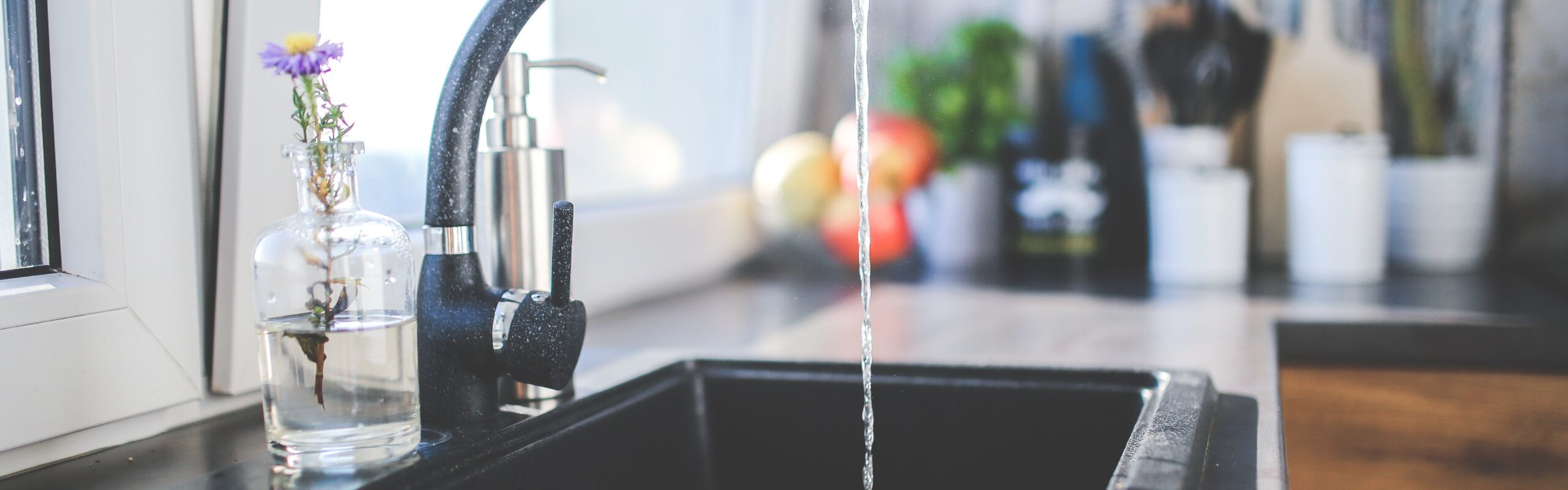
These days, as we all think about how we can take more responsibility for the way in which we live and the impact we have on the environment, one of the things that it’s most important to consider is the impact we have in terms of the amount of water we use. Realistically, we should all be trying to waste less of it.
But how can that be done? What does it take to use less water and which techniques does it make most sense to employ when we’re trying to lower our usage and cut out waste? These are big questions with a variety of different answers. To find out more about the steps you can take, read on now and learn more.
Upgrade to More Efficient Appliances
Upgrading your appliances and making them more efficient is definitely one way to think about using less water. This simple truth is that older appliances from years or decades ago are simply not designed with efficiency in mind, and even if they were at the time, those methods are not outdated and performance also tends to decline over time. So making upgrades to dishwashers and washing machines might be necessary at some point in time.
Install Low Flow Fixtures
If you want to use less water in the bathroom, one of the best things you can do is have low flow fixtures installed in the bathroom. Doing this will ensure you’re able to use your fixtures, such as showers and the toilet in the same way you always have, and they’ll automatically save water without you really having to think about it. None of this should or has to be hard work at all, and that’s something that low flow fixtures offer you, so make the most of them.
Use a Watering Can in the Garden
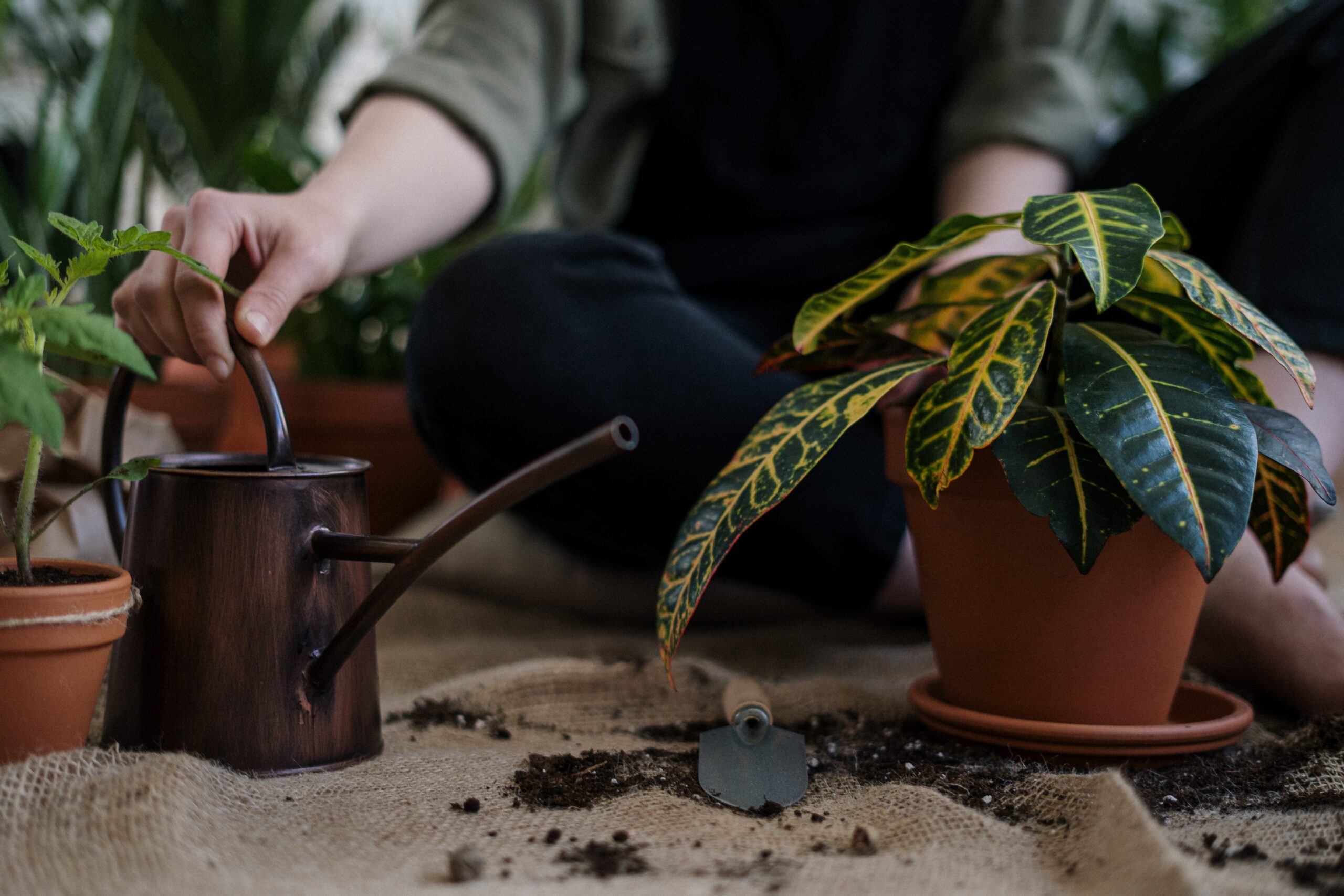
Using a watering can in the garden instead of a sprinkler system is definitely something that you might want to consider if you’re not doing so already. To put it bluntly, sprinklers are not particularly efficient and they usually result in the use of excessive amounts of water when that doesn’t really need to be the case. Watering cans are obviously small and use less water, allowing you to focus your watering efforts on the particular areas of the garden that need it.
Take Shorter Showers
Simple changes to your daily routines can have a massive impact on how much water you end up using when sustained over the course of a whole year. One example of such a change is how you take showers. If you were to make an effort to take shorter showers each day, you’d end up using a lot less water and that can only be a good thing. It’s something to keep in mind. Shaving a few minutes off every shower will save more water than you might imagine.
Get in the Habit of Turning Off the Tap
If you’re someone who leaves the tap running as you brush your teeth, as many of us are, this is the kind of habit that you should look to kick as soon as possible. It’s another example of a huge change that can have a pretty big impact over time. There’s no reason for the tap to carry on running, and it’s a simple case of changing your habits and forming better ones in their place. It’s something that all of us are capable of doing.
Fix Leaks Promptly
Fixing leaks as soon as they’re spotted is vital. It might not seem like such a big deal when you notice that a tap is leaking a little, but that’s the wrong attitude to adopt. A small leak that’s leaking constantly, 24 hours a day, will result in a huge amount of wasted water, even if it’s just a slow drip. So when you notice a leak or any related problem, you should either set to work fixing it right away or hire a plumber to do that work for you.
Collect Rainwater for Use in the Garden
Collecting rainwater is one of the very best ways to make your gardening more water efficient. You can find one that suits your needs and the amount of outdoor space you have available at a site like tanks direct. Once in place, your rainwater tank will allow you to catch the rain and store it until you need to use it. You can then use that water to keep the garden properly watered all year round. Having that water stored will be particularly useful during the summer when it’s not raining much.
Mend Your Clothes and Buy New Less
Mending your clothes and trying to reduce the amount of new clothes you buy might not sound like a water related issue, but it really is. Not everyone realises it, but there’s a huge amount of water that goes into the clothes manufacturing process, and you can save that by not supporting the market for new clothes quite so much. So if your clothes need repairing, get that work done. Or buy second hand rather than new clothing items.
Change Your Routines for the Dishwasher and Laundry
You can also change your routines when it comes to washing the dishes and doing the laundry. When you do the laundry or turn on the dishwasher only when those appliances are full, you’ll save a lot of energy and a lot of water because you’ll be using these appliances a whole lot less. Find routines that allow you to reduce your usage of these appliances and ensure everyone in your household is on the same page with these issues.
As you can see, there are so many changes you can make in your home and garden if you’re looking to start saving water. Some of these changes are very big and others are relatively minor, but they’re all capable of having a positive impact, so be sure to make the most of them moving forward.

Leave a Reply