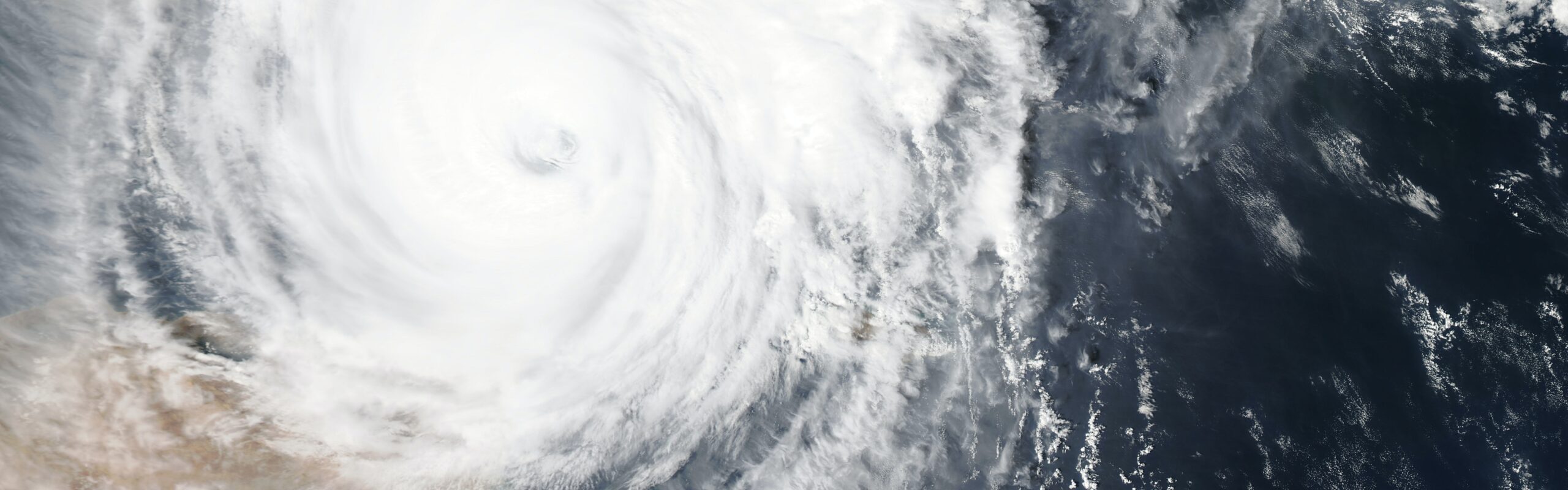
According to a recent study, the US experiences 15 named storms each year – and within this, an average of eight hurricanes. In 2022, we experienced two major hurricanes (Fiona and Ian), both of which caused extensive damage to properties throughout the affected areas and threatened human life and safety.
As such, it’s important that you know what to do in the event of a hurricane, to keep yourself and those around you safe. This knowledge may prove to be particularly beneficial if you live in states that frequently experience extreme weather, such as Florida, New York, and Louisiana.
Experts will typically issue hurricane warnings 36 hours in advance. While reports may vary and official guidance may change, you must use this time wisely to protect your home and maintain your safety. With that in mind, here are three things you must do before a hurricane hits:
Protect your home.
In some cases, you may be advised to stay inside your home during a hurricane or to head over to an evacuation site. Either way, you should make an effort to protect your home beforehand to reduce the chances of significant damage occurring. For example, you should tie down outdoor furniture or fixtures, or bring them indoors. You may also want to look into long-term hurricane protection, such as by installing Impact Windows. Impact windows are made from heavy-duty, laminated glass which is less likely to shatter or splinter in a storm or hurricane, thus protecting your home from further damage.
Gather emergency supplies.
During a hurricane, you must have some emergency supplies close by. After all, you may be without electricity and water or expected to stay in one place for a long time. The CDC advises that you have the following to hand:
- Emergency food supplies. Focusing on food that does not need to be cooked, such as dry cereal, canned fruits & vegetables, and protein bars.
- An emergency water supply. It’s advised that you have 1 gallon of drinking water per person/per day stocked up.
- Backup power sources. Electrical lines are frequently damaged during tropical storms and hurricanes, meaning that you may go without power for some time. Ensure you have back up power sources readily available, such as torches and generators. You should also ensure you have plenty of batteries.
- Any medication & a first aid kit. Prescription medication should be kept on hand, but you may also want to have a backup supply of other emergency medication stored in your first-aid kit.
- A folder of important documents. Ahead of a hurricane, you should also gather all important documents and store them together. This could include wills, medical documents, passports, and IDs.
Follow all guidance.
Perhaps the most important step you can follow during any kind of extreme weather is to pay attention to official government guidance. This will help you determine what your next logical step should be, or whether you need to make any changes to your emergency response plan. You should pack a to-go bag and keep it closeby should you be required to evacuate.

Leave a Reply